
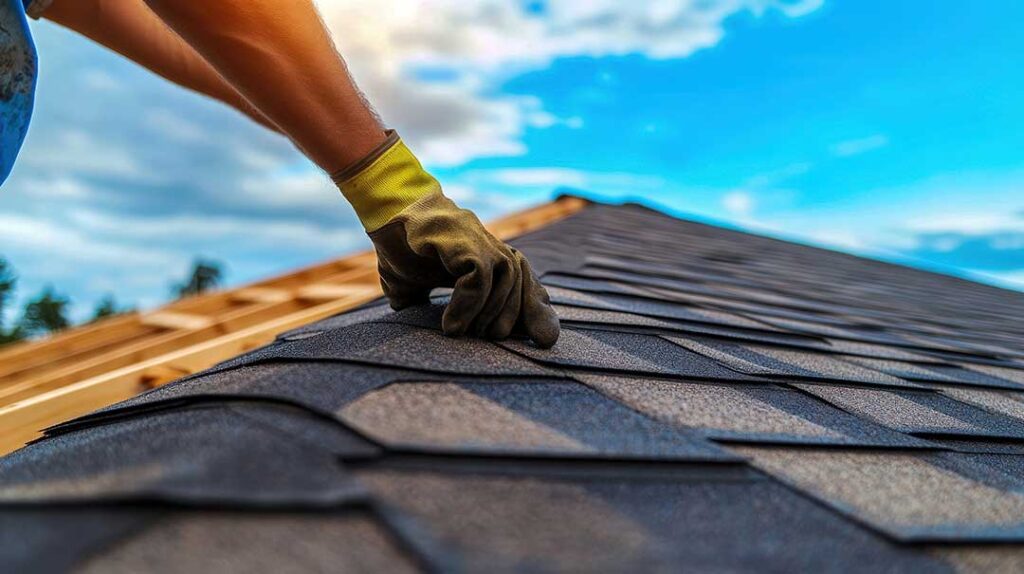
Why Should Area Households Check Their Roof After a Storm?
It only takes one strong storm to create real problems for a roof, especially in a climate as variable as Lake Placid, NY. Whether it’s a spring thunderstorm, summer hail, or a pounding winter nor’easter, local roofs stand up to harsh conditions year-round. Inspecting for damage right after a storm can catch issues early, helping prevent leaks, structural problems, or costly repairs.
What Are the First Signs of Roof Damage to Look For?
Residents can often spot trouble from the ground before climbing a ladder or entering the attic. After every major weather event, look for:
- Missing, torn, or curled shingles
- Shingles or flashing lying in yards, driveways, or gardens
- Granules from asphalt shingles collecting in downspouts or around the home’s foundation
- Guttering that appears detached, sagging, or bent
- Branches, ice chunks, or debris sitting on the roof
These visible clues point to areas that may need closer inspection or prompt attention.
How Can You Inspect Your Roof Safely in the Lake Placid Climate?
Start by surveying from the ground, using binoculars if available. Winters in the area can bring ice, making rooftops slippery. Never attempt to walk on a roof if it’s wet, icy, or covered with debris. Wait for dry conditions before attempting any closer look, and only use a stable ladder with a spotter if necessary.
To stay safe:
- Avoid roof access in strong winds, icy conditions, or during lightning.
- Wear appropriate shoes with good traction.
- Never stand on steep or visibly damaged areas.
If the roof is awkward or multi-story, limit the inspection to ground or attic checks.
What Should You Check From the Attic or Upper Floors?
An attic can offer crucial clues after a storm. Using a flashlight, inspect for:
- Signs of water stains on joists, rafters, or insulation
- Wet spots, mold, or musty odors, especially after rain
- Shafts of daylight coming through the roof boards
- Dripping or pooling water
These indicators suggest that the roof covering may have been breached or that flashing and seals around penetrations (like chimneys and vents) could be compromised.
Are Some Types of Storms Riskier for Roofs in Lake Placid Than Others?
Yes, the area experiences a mix of weather extremes that challenge roofs in different ways:
- Heavy snow and ice can add weight, pry up shingles, and cause ice dams along eaves. Watch for ridges of old snow that block meltwater or icicles hanging from gutters, as these may point to hidden damage.
- Windstorms sometimes lift or break shingles, especially on older roofs.
- Hail, though less common, can bruise or puncture roofing in isolated areas. Look for dark spots or soft spots on asphalt shingles after a hail event.
Not all damage will be immediately obvious, so it’s wise to check after any major storm regardless of the type.
What Are Common “Hidden” Roof Issues That Local Residents Often Miss?
Many issues aren’t visible from the yard or even the attic. Residents sometimes overlook:
- Flashing damage near vents, skylights, or chimneys, as it often appears as minor bending or lifting
- Small punctures made by falling twigs or ice, which may seem insignificant but can admit water over time
- Separated seams along ridges, valleys, or where roof sections meet
- Gutters clogged by storm debris, leading to water backup under shingles
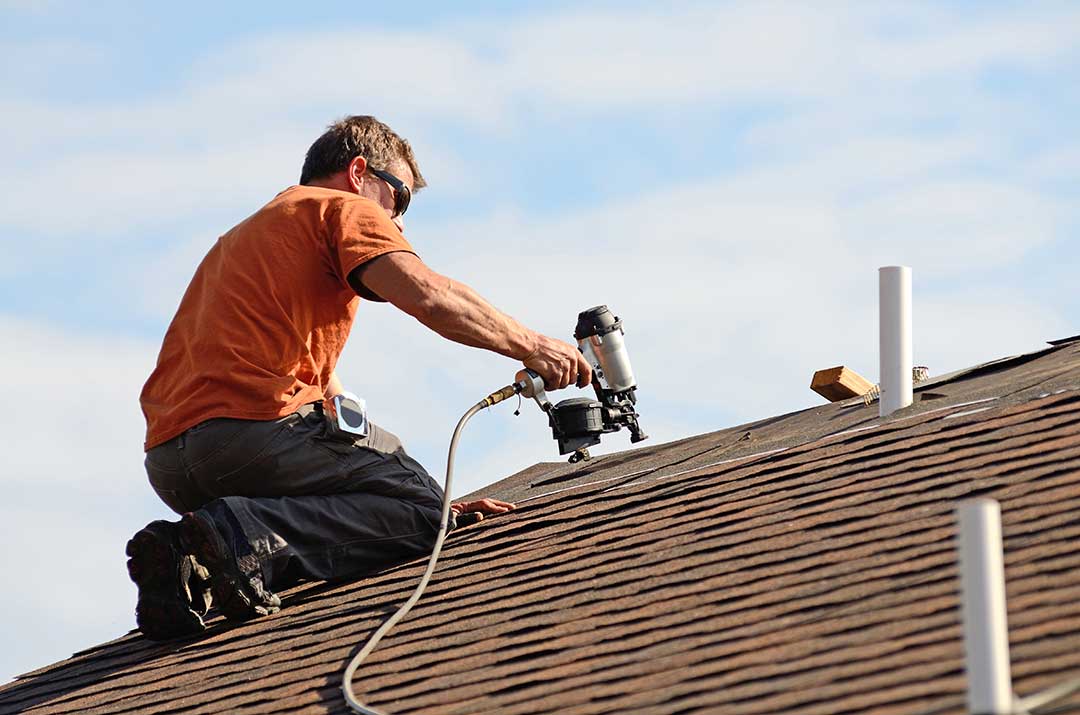
It’s easy to assume gutters are fine if they’re not overflowing immediately, but a simple clog from leaves or pine needles can create problems during the next rainfall.
How Quickly Should Residents of Lake Placid Act on Roof Problems?
Prompt attention is key, even for minor damage. Roofs exposed to the region’s freeze-thaw cycles are especially vulnerable; water that enters tiny cracks can freeze, expand, and make things worse within days. Checking soon after a storm helps area households avoid escalation, whether that means patching a small tear or clearing out blocked gutters before more rain or melting snow arrives.
Should Residents Ever Avoid DIY Inspections?
Some circumstances are best left for professionals due to genuine safety concerns:
- If sections of the roof are visibly sagging, water is entering the home, or there are exposed electrical lines
- After major events like fallen trees or partial roof collapse
- When ice remains on the roof, as even minimal weight may trigger accidents
Other situations, such as handling mold, rot, or animal intrusions, may also require special precautions. The local fire department or emergency management agencies may provide guidance if storms have caused widespread hazards.
What Documentation Should You Consider for Roof Issues?
Taking photos after storms preserves a record of roof conditions, which can be useful for personal reference, insurance, or when working with community resources. Capture:
- Distant and close-up images of damage or debris
- Leaks or stains inside the home and attic
- Any fallen tree limbs or heavy debris in the yard
Keep a seasonal log of inspections, especially in Lake Placid’s variable weather, to help track changes year over year.
Are There Other Steps Residents Can Take After a Storm?
After checking the roof, it’s also helpful to:
- Inspect gutters, downspouts, skylights, and attic vents for clogs and damage
- Remove any loose debris sitting on or around the roof, only if reachable from the ground
- Monitor ceilings and upper-level walls for signs of new leaks that may develop days after a storm
Area weather can change rapidly and unexpected leaks sometimes appear after melting snow or a new rainfall. Staying alert and informed helps residents maintain safe, dry homes all year round.
