
What Is Roof Pitch and How Is It Measured?
Roof pitch describes the steepness or angle of a roof. It is usually expressed as a ratio of how many inches the roof rises vertically for every 12 inches it runs horizontally (for example, a "6:12 pitch" rises 6 inches for each foot the roof extends). This measurement is fundamental in construction and directly influences a building’s ability to manage rain, snow, and weight.
In Lake Placid, where seasonal snow and ice are routine, understanding this measurement helps local residents recognize why roofs look the way they do, and what to expect from their home's performance throughout the year.
Why Does Roof Pitch Matter in Lake Placid?
Roof pitch isn’t just a design choice; it plays a major role in how a home withstands local weather. In snowy climates like the Lake Placid area, moderate to steep roof pitches are common. The main reasons are:
- Snow Shedding: Steeper roofs let snow slide off more easily, reducing the risk of heavy snow buildup that can stress structural supports.
- Ice Damming Prevention: Proper pitch lessens the chances for ice to accumulate at edges, where it might cause leaks.
- Water Drainage: Rainwater leaves quickly, protecting against water pooling and potential leaks.
Without the proper pitch, homes in the region might face more frequent maintenance problems, especially after heavy snowfall or winter rain.
How Does Roof Pitch Impact Materials and Design Choices?
Not every roofing material works well on every pitch. In Lake Placid, the two most common roof styles are steeper gables and moderate-pitch hip roofs, as both function well for snow. Here’s how pitch affects material options:
- Low Slope (below 4:12): These roofs look flat and are rare on homes, but exist on porches or additions. They require special waterproof membranes since shingle overlap alone won't keep out snowmelt.
- Moderate to Steep Slope (4:12 and up): Asphalt shingles, metal panels, and even slate are suited for these pitches, which are standard for local houses.
Choosing the right materials is partly about matching the pitch—using the wrong product can lead to leaks and damage, especially with Lake Placid’s heavy precipitation.
How Do Building Codes and Local Regulations Affect Roof Pitch?
Most residential construction in Lake Placid follows New York State building codes, which require particular roof slopes for different materials and uses. For example:
- Asphalt shingles are typically only allowed on roofs with a pitch of 2:12 or greater.
- Metal roofing may be installed on lower pitches with special underlayment.
- Snow Load Requirements: Local codes address expected snow weight, which can dictate minimum recommended roof pitches for new builds.
If planning a major remodel, it's important to check that the roof design aligns with required codes for safety and insurance compliance. For most existing homes in the city, the current pitch generally reflects these standards, especially in neighborhoods built or renovated during recent decades.
What Problems Can the Wrong Roof Pitch Cause?
Choosing a roof pitch not suited for local weather can result in avoidable issues:
- Frequent Ice Dams: Without enough slope, melting snow can refreeze at the eaves, pulling at gutters or leaking into attics.
- Excessive Snow Load: Flat or gently pitched roofs can hold snow longer, leading to stress cracks or even collapse in rare, heavy winters.
- Premature Material Failure: Water that doesn’t drain efficiently will find its way under shingles or cause rot on decks and framing.
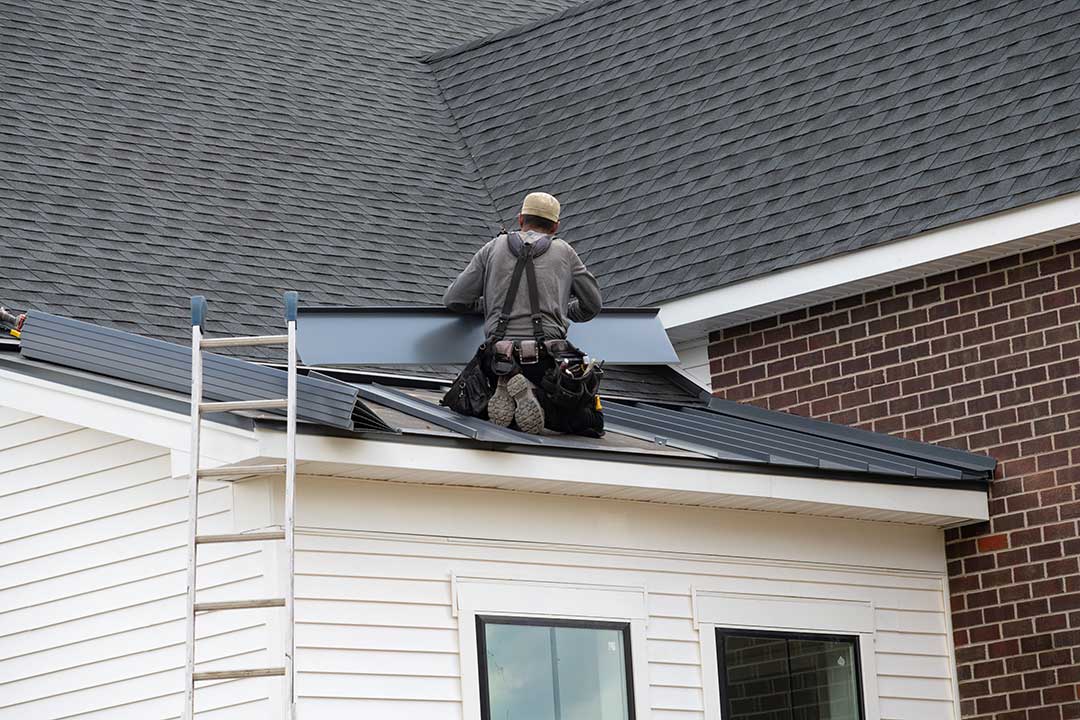
Residents sometimes discover these issues in older buildings or after making additions without matching or considering the pitch. It’s a detail that many homeowners overlook until problems develop.
What Roof Pitch Is Most Common Locally, and Why?
In Lake Placid and surrounding communities, pitches between 6:12 and 12:12 are frequently seen—these look fairly steep but are practical for shedding snow and rain. Historic camps, cabins, and classic homes often use this range, as generations of builders learned what performed best in this environment.
Many homes use a moderate pitch even on additions like porches and garages, adjusting later with snow rails or metal drip edges as needed. For residents considering roof design changes or repairs, looking at nearby homes built in the last 20 to 30 years gives a good sense of what works for the city’s unique winters.
Are There Any Downsides to Steep Roofs?
While steep roofs excel in snowy regions, there are some trade-offs for residents to consider:
- Challenging Maintenance: Clearing gutters or inspecting shingles can be harder, sometimes requiring specialty ladders or roof anchors.
- Usable Attic Space: Steeper pitches create more headroom inside, which can be a benefit or a drawback depending on how attic spaces are used.
- Cost and Materials: More materials are needed for a steeper slope, and labor costs may increase due to safety requirements.
However, these are usually outweighed by the benefits of snow and water management in Lake Placid’s climate.
What Common Myths or Misunderstandings Exist About Roof Pitch?
A few common misconceptions sometimes circulate among area homeowners:
- Flatter roofs are cheaper to build: They might cost less upfront, but the risks of leaks and snow damage can lead to more expensive repairs long term.
- All roof shapes can work the same in every climate: Designs that perform well in milder or drier places can be problematic in the city. Roof pitch should always be matched to local weather realities.
- Adding more insulation can ‘fix’ a bad pitch: While insulation helps with efficiency and ice damming, it cannot change how gravity moves water or snow off a roof.
Recognizing these myths helps residents make informed decisions and avoid costly surprises.
